



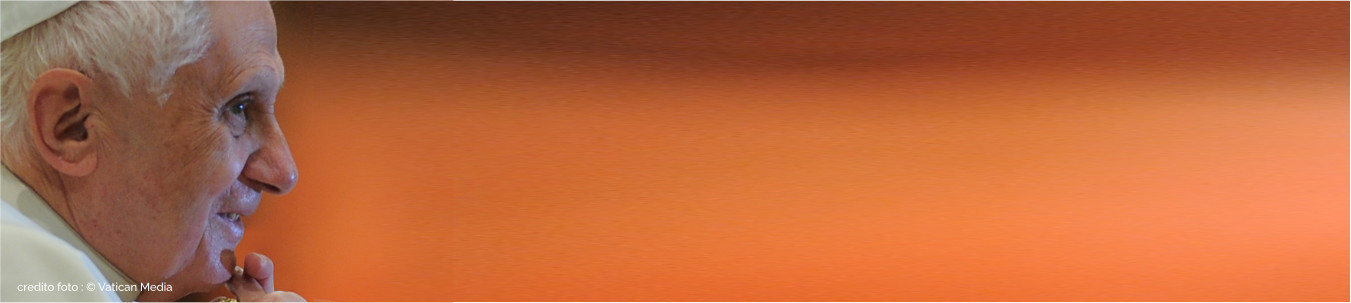
Creation of the Joseph Ratzinger – Benedict XVI Research Chair
On 8 September 2026, the Faculty of Theology of the Pontifical Athenaeum Regina Apostolorum officially launched the Joseph Ratzinger – Benedict XVI Research Chair, a new academic structure dedicated to the study, dissemination, and development of the theological thought of the great theologian and pope.
Among the planned activities are international congresses, single conferences, research groups, scientific publications in the Studi Ratzingeriani series, support for doctoral research projects, the expansion of the Ratzinger bibliographic collection in the “Pio XII” Library, and academic courses, at both the bachelor’s and licence levels, aimed at students of the Athenaeum and the international network of Regnum Christi universities.
The Chair is directed by Prof. Sameer Advani, full-time faculty member of the Faculty of Theology and expert on Ratzinger’s thought; the Vice‑Director is Prof. Leonardo Pelonara, a scholar in the fields of ecclesiology and the interpretation of the Second Vatican Council.
A decisive role will be played by the Scientific Committee, which includes the presence of distinguished figures from various Roman institutions. Its members include Prof. Pierluca Azzaro, Executive Secretary of the Vatican Foundation Joseph Ratzinger/Benedict XVI; Prof. David Koonce LC, former Academic Vice‑Rector and Dean of the Faculty of Theology of the Athenaeum; Prof. José San Román LC, current Dean of the same Faculty; Prof. Isabel Troconis of the University of the Holy Cross and Prof. Maurice Agbaw‑Ebai of the Angelicum, both recognized scholars of Ratzinger’s thought. The composition of the Committee confirms the Chair’s vocation to foster broad and qualified collaboration within the Roman theological landscape.
The initiative arises within the framework of the celebrations for the centenary of the birth of Joseph Ratzinger, which will be marked in 2027, and represents a significant step in the appreciation of a theological legacy that continues to exert a profound influence on contemporary ecclesial reflection.